Valuation & Advisory · Lamborghini
Check your premises.
What is it actually worth, and what should you pay?
Two different questions, and nobody selling you the car is in a position to answer either one. We act for buyers, on one marque, quietly. The gentleman’s Lamborghini.
You are about to commit a large sum on a Lamborghini, and every number in front of you was produced by somebody with an interest in the transaction.
The dealer is not independent. The auction estimate is marketing. The marque specialist knows the metal and not the market, and the forums know everything except what cars actually sold for. Asking prices get repeated until they sound like values.
Bowland Marque is instructed by the buyer, paid by the buyer, and has no interest in whether the car changes hands. We hold no stock, take no commission, and are never on both sides.
Lamborghini only. Everything else is declined.
Because the money in these cars does not sit in the model, it sits in the detail of the particular car — and that detail only becomes legible if you follow one marque closely enough to know it cold.
Which gearbox, and whether it left Sant’Agata that way or was converted afterwards. How many of that exact variant were built against how many survive. What a car that has stood for three years actually costs to put right, and which people can do it. Where the premium for delivery mileage stops being a premium and starts being a liability. Which recent results were real transactions and which were advertisements.
A generalist cannot hold that for every marque at once. We would rather be the firm that knows one line completely than the firm that has heard of all of them.
Independence is the entire product. The moment a valuer has an interest in the car moving, every figure they publish is worth nothing. That is why the exclusions above are absolute rather than ordinary.
The car, the price asked, what you intend to do with it and for how long. Half an hour on the telephone is usually enough.
Transaction records rather than asking prices. Build numbers, model-line history, the condition and specification questions that actually move money on that particular car, and the cost of ownership over your intended hold.
A written opinion, a working model, and one sentence carrying the verdict. Normally within a week, and inside forty-eight hours where a deal is live.
A print-ready written valuation. Measured, sourced, bounded, and composed to be handed to the other side without further explanation.
A private web page built to your assumptions, every figure live. Move a slider and watch your own expectations argue with themselves.
Buy, negotiate or walk — with the most you should pay, the price above which it cannot return your money, and the confidence behind both.
Everyone else gives you one number. We give you the two numbers that disagree, and tell you how much you would have to believe one of them.
Any car has two stories running at once. There is what the market does generally — the classic index has managed about 4.7% a year over ten years. And there is what that particular car has actually done, which for the last Murciélagos is nearer 16.8% a year over three.
A valuer who quotes you the first is ignoring the car. A dealer who quotes you the second is selling you the car. The honest answer is a blend, and the only real question is how much weight you put on each side.
So we work out the weight. On a recent instruction the deal washed its face only if you put 46% of your belief on that specific car continuing to beat the market rather than drifting back to it. That is a number a buyer can actually argue with — and argue with us about — which a single printed valuation never is.
It is ordinary Bayesian reasoning: a prior from the market, evidence from the car, and a posterior you can move. Nothing clever is being hidden. The model goes to the client with the sliders live, so every assumption in it is visible and every one of them can be changed to his, not ours.
A buyer had shaken hands at one number and been asked for £50,000 more. The car needed £45,000 of recommissioning before it would start.
The work also surfaced a single car sold twice within four months, before and after a gearbox conversion, at the same auction house — a controlled comparison the published commentary had missed, and the strongest evidence in the file. Client and vendor are not identified. Specimen documents are available on request.
There are no photographs of our instructions on this page, and there will not be.
The cars are identifiable. Put a photograph of one next to a valuation and you have told a vendor who the buyer is, told the market that a particular car is moving, and handed something of value to people who should not have it. At this level a single image of the right car in the right week is worth money to somebody.
So we do not publish them, and we do not hold them anywhere they could be published. Clients are not named, cars are not pictured, and figures appear only in anonymised form and only where the client has agreed.


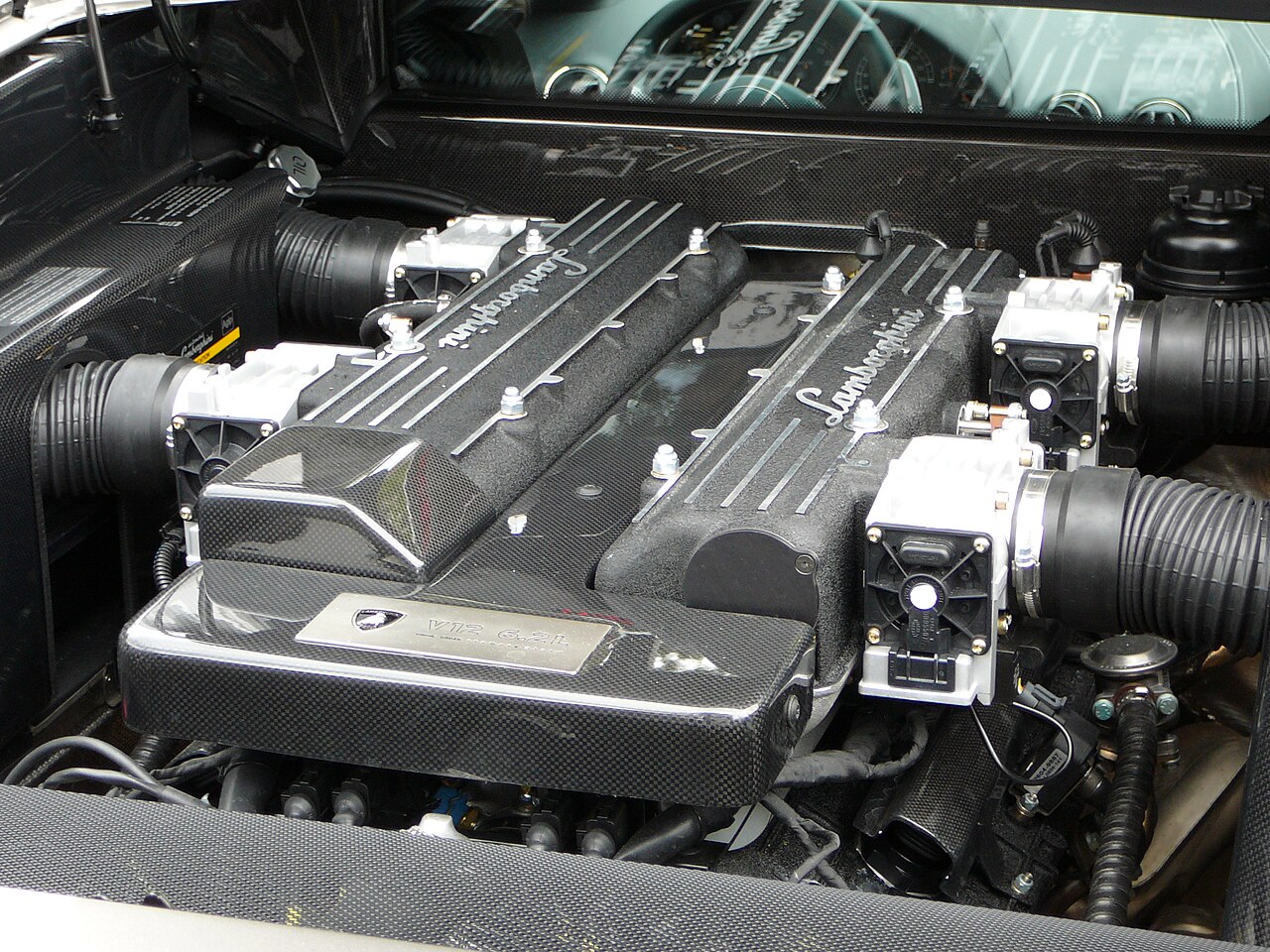
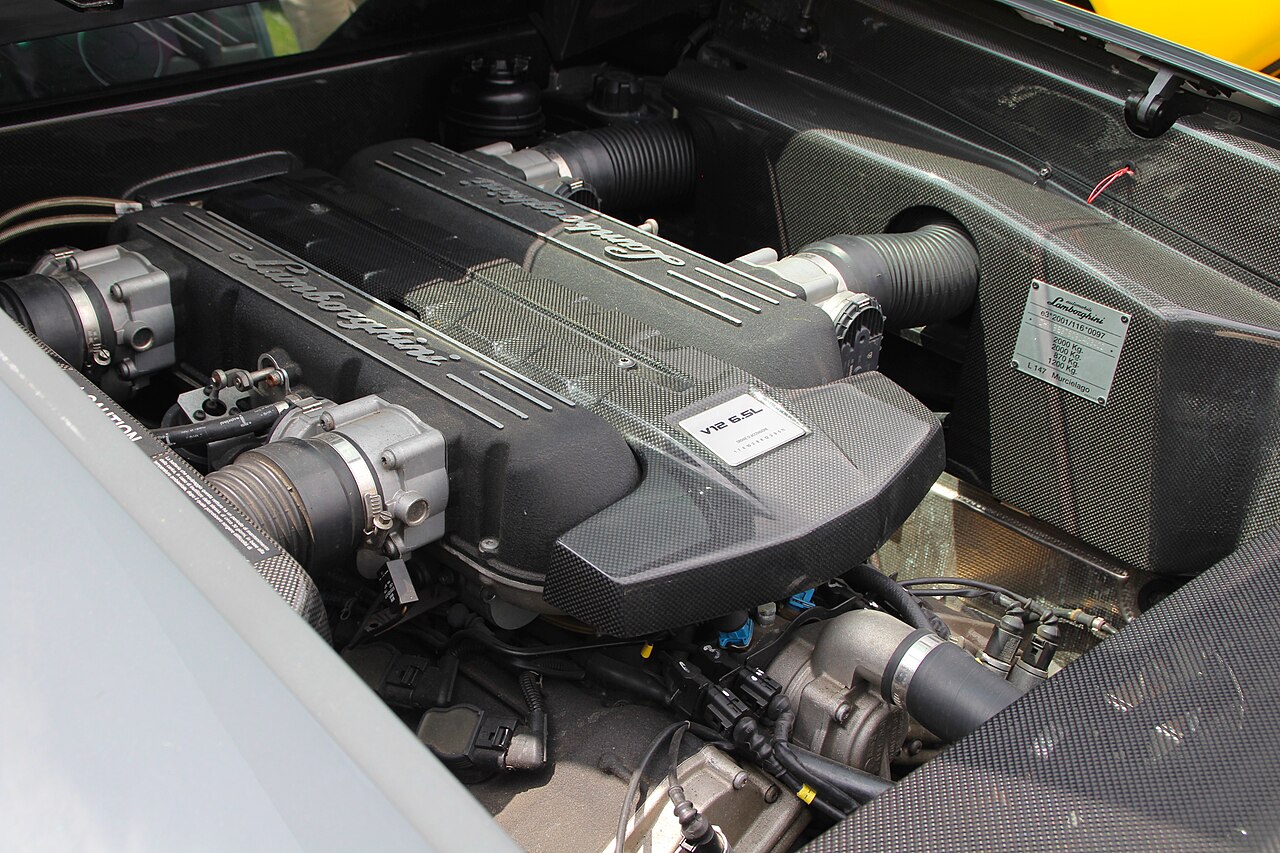
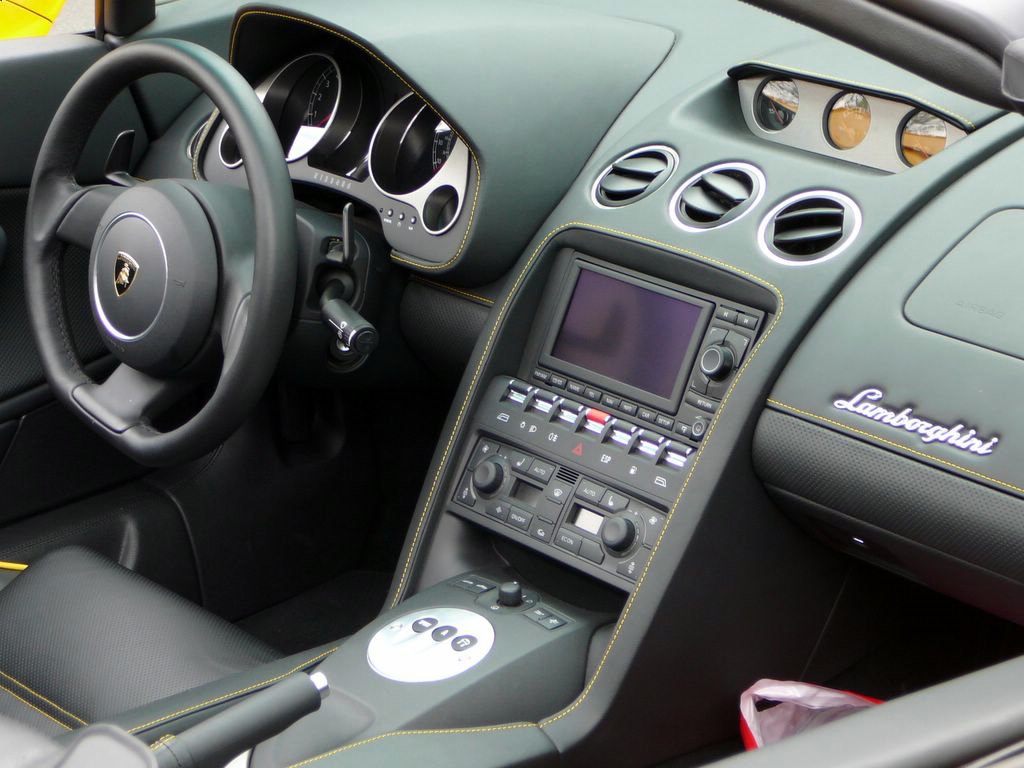
The three details above are of the model line in general, drawn from the Wikimedia Commons archive and credited at the foot of this page. They are not cars we have acted on. Where a published image appears on this site it is open-licensed and attributed, for the same reason every figure in our reports carries its source.
The more specific the enquiry, the more useful the first reply. Nothing here is mandatory, and an enquiry with half of it is still worth making.
Our own instructions are never published. These are public results we have followed closely — anyone can check them, and they are the numbers that actually set the market.
| Result | Car | Where |
|---|---|---|
| $1,352,500 | Murciélago LP640 Roadster, factory manual | RM Sotheby’s Monterey, August 2024 |
| $900,000 | Murciélago LP640 coupé, factory manual | Bring a Trailer, January 2026 |
| $430,000 | Murciélago LP640, E-gear — highest recorded | Bring a Trailer, December 2025 |
| $425,000 | 2008 LP640 Roadster, 14,000 miles, E-gear | Bring a Trailer, April 2026 |
| $68,000 | … then a gated manual conversion on that same car | Royalty Exotic Cars, June 2026 |
Read the last two together, because that is the whole lesson. One car, one auction house, four months apart, with a gearbox swapped in between. A controlled comparison that the published commentary missed entirely. It is also why the factory-manual premium has a ceiling: if roughly £50,000 manufactures a three-pedal Murciélago, three-pedal supply is elastic even though factory provenance is not.
Sources: Classic.com · Autoblog · duPont Registry. Dollar figures as reported. These are results we watched, not deals we acted on, and we claim no involvement in any of them.
On factory cars the gap is real and large — recent results put manual Murciélagos at roughly two to three times comparable E-gear cars. But the premium elsewhere in the marque is far more modest, and a conversion closes much of the gap for about £50,000. Treat the headline multiple as the ceiling, not the rate.
No. A VIN check shows what left Sant’Agata, and converted cars trade in their own tier — above E-gear, below factory. They are a real and growing category, but nobody paying seven figures is confused about which they are buying.
Not by itself. A car that has not been used has usually been standing, and standing is what breaks these: perished seals, fuel system, brake lines, bushes, tyres. Ask what it costs to make it run before you admire the odometer. On a car needing recommissioning, the low mileage and the bill are the same fact.
On a V12 that has stood for years, a clutch alone is five figures, and a full programme — fluids, seals, fuel system, brakes, tyres, belts, a proper inspection — can reach £45,000. It is also the best lever in any negotiation, because a vendor who will not move on price will often agree to do the work before collection.
No, and that is deliberate. Inspection is instructed separately to a named marque specialist and passed through at cost. We value, model and advise. Keeping those jobs apart is what makes both worth having.
North West England. Instructions are taken UK-wide and the work is desk-based, so location rarely matters — the car can be anywhere. Where a physical inspection is needed we instruct a specialist near the car rather than driving one across the country.
Never. We hold no stock, take no commission, broker nothing and are never on both sides. If you want someone to sell you a Lamborghini there are excellent people who do that. We are the ones you ask first.
Principal. Valuation, modelling and negotiation support. Thirty years reading technical data for a living before he ever read an auction result.
Marque research and comparables. Build numbers, variant history, and the difference between a result and an advertisement.
Partners write under working names. The principal is identified in full, with background, in every engagement letter — before a fee is agreed and before any money changes hands. Discretion runs in both directions here, and a client who is about to instruct us is entitled to know exactly who he is instructing.
Six house rules. They are commercial rather than stylistic, and they are the reason a second instruction arrives.
Tell us the car and the number you have been given. If there is nothing useful to say, we will say that and there will be no fee.
| Car value | Full instruction |
|---|---|
| Up to £250,000 | £1,500 |
| £250,000 – £750,000 | £5,000 |
| £750,000 – £1.5m | £8,500 |
| Above £1.5m | By quotation |
A full instruction is the written opinion, the working model and support through to the deal. A desktop opinion alone is £1,500 at any value, and a second car considered alongside the first is £750.
The band is set from the asking price on the day you instruct us, and fixed there in writing. If the price moves afterwards — in either direction — the fee does not. We are never paid a share of the purchase price, a share of any saving, or anything contingent on the deal completing, because each of those would give us an interest in the number and the whole point of us is that we have none.
Inspection by a marque specialist is instructed separately and passed through at cost, never marked up. The first conversation costs nothing and usually takes half an hour.